
Int. Los Angeles City College – Day
Yourfilm school,minus the debt.
Production is coming back to Los Angeles, and we’re training the crews to bring it home. Write, shoot, edit, and crew real productions from your first semester, in studios just south of the Hollywood sign, for $46 a unit.
- Tuition
- $46 / unit
- Experience needed
- None
- Start dates
- 4 a year
- Class times
- Day, night, online
- Location
- 855 N. Vermont Ave, East Hollywood
Leading the Revival.
Los Angeles built film and television. When productions left town, a lot of the work went with them. Now it’s coming back, and it needs crews who can step onto a set and go. That’s who we train.
Crew-ready from semester one
Students run camera, lights, sound, and post on real productions, in our own soundstages, multi-camera studio, and post lab.
Open to all of Los Angeles
Community college tuition and fee waivers mean the next generation of crew looks like the city it works in.
Connected to the work
Crew calls, internships, and paid gigs land on this site the day they come in, and the crew directory puts students on each other’s sets.
Pick Your Set.
Two programs, one department. Most students cross-train in both, because crews hire people who can do more than one job.
Spend It on Your Film, Not Your Tuition.
California residents pay a fraction of what private film schools charge, and the California College Promise Grant can waive enrollment fees entirely.
- In-state enrollment fees for a full year
- $1,104
- Terms you can start in: fall, winter, spring, summer
- 4
- Transfer destinations students go on to, including UCLA, USC, CSUN, Chapman, and AFI
- 5+
Your Next Gig.
Internships, paid work, scholarships, and festivals, posted as soon as they come in.
Questions, Answered.
The questions we hear most from future students. There are more on our Contact page, and the Student Guide covers LACC's college-wide rules.
How much does it cost?
California residents pay $46 per unit. With campus fees, a full-time load of 12 units comes to about $575 a semester for students who aren't on financial aid.
Many residents pay nothing for enrollment: the California College Promise Grant waives the $46-per-unit fee for eligible students. Gear is free to check out for enrolled production students, and DaVinci Resolve is free.
Is it free?
For many California residents, yes. The California College Promise Grant waives the $46-per-unit enrollment fee, the biggest charge on a resident's bill, and you don't pay it back. Apply with the FAFSA, the California Dream Act Application or LACC's CCPG form by June 30 of the school year.
The grant doesn't cover books, supplies, nonresident tuition or living costs. The Pell Grant and Cal Grant can help with those. The Student Guide's Free Tuition page has the details.
Do I need experience?
Not at all. Our program runs head to toe, start to finish: from the basics through advanced techniques. You'll have a camera in your hands in your first semester, and whatever story you want to tell, you can learn to tell it here.
How do I apply?
Apply online through LACC's application on CCCApply. It's free, and you'll usually get your student ID within 1 to 2 business days. Then do the online orientation and make an education plan with a counselor so you keep priority registration.
Most cinema students start with CINEMA 001 and CINEMA 002. The Student Guide's Enrolling & Deadlines page walks through every step, and the Welcome Center can help in person or on live chat.
When can I start?
Classes start in fall, winter, spring, and summer, with day, evening, and online options. Apply any time; register early because classes fill.
What can I study?
Three associate degrees: the Film, Television & Electronic Media AS-T (a transfer degree), the Cinema Production AA and the Television Production AA.
Twelve certificates, including Cinema Production, Cinematography, Cinema Directing, Cinema Producing, Screenwriting, Sound for Film, Cinema Post Production, Production Design and Unscripted Television Production, plus a Production Assistant certificate you can finish in one semester. Browse them all on the Cinema and Television pages.
How long does it take?
Going full-time, an associate degree takes about four semesters and most certificates take about three. The Production Assistant certificate is three classes, so you can finish it in one semester. Going part-time takes longer, and that's fine: many students study while they work.
Can I go part-time, at night, or take just one class?
Yes, yes and yes. Many students start with one class to try filmmaking before committing to a certificate or degree, and many take classes part-time while they work. We build our schedule around what students ask for, with day, evening and online sections.
Need a schedule we don't offer yet? Tell our department chair, Dr. Krystle Klein, through the Contact page. Student requests shape what we run next.
Upcoming Events.
See All EventsNo events are scheduled right now. See the events calendar.
From the Department.
All News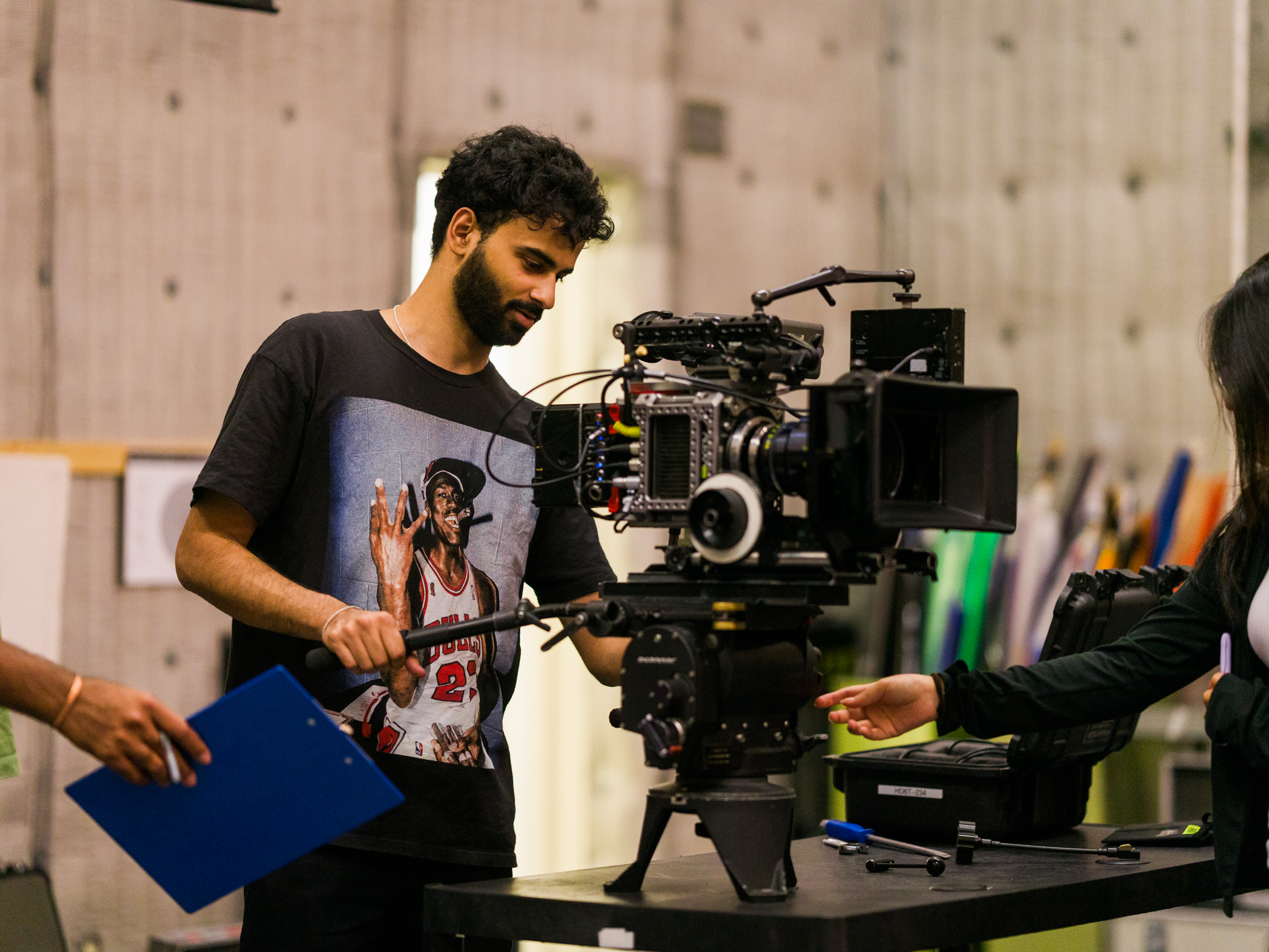
How to Get the Most Out of Your Time at LACC Cinema & TV
The student films that win Best of Semester and go to festivals are planned from A to Z. Here’s the three-semester path from your first idea to a polished film, and why shooting early in CINEMA 033 changes everything.
How to Go to Film School for Free in California
How the California College Promise Grant and the LA College Promise can cover your enrollment fees at LACC Cinema & TV, who qualifies and how to apply.
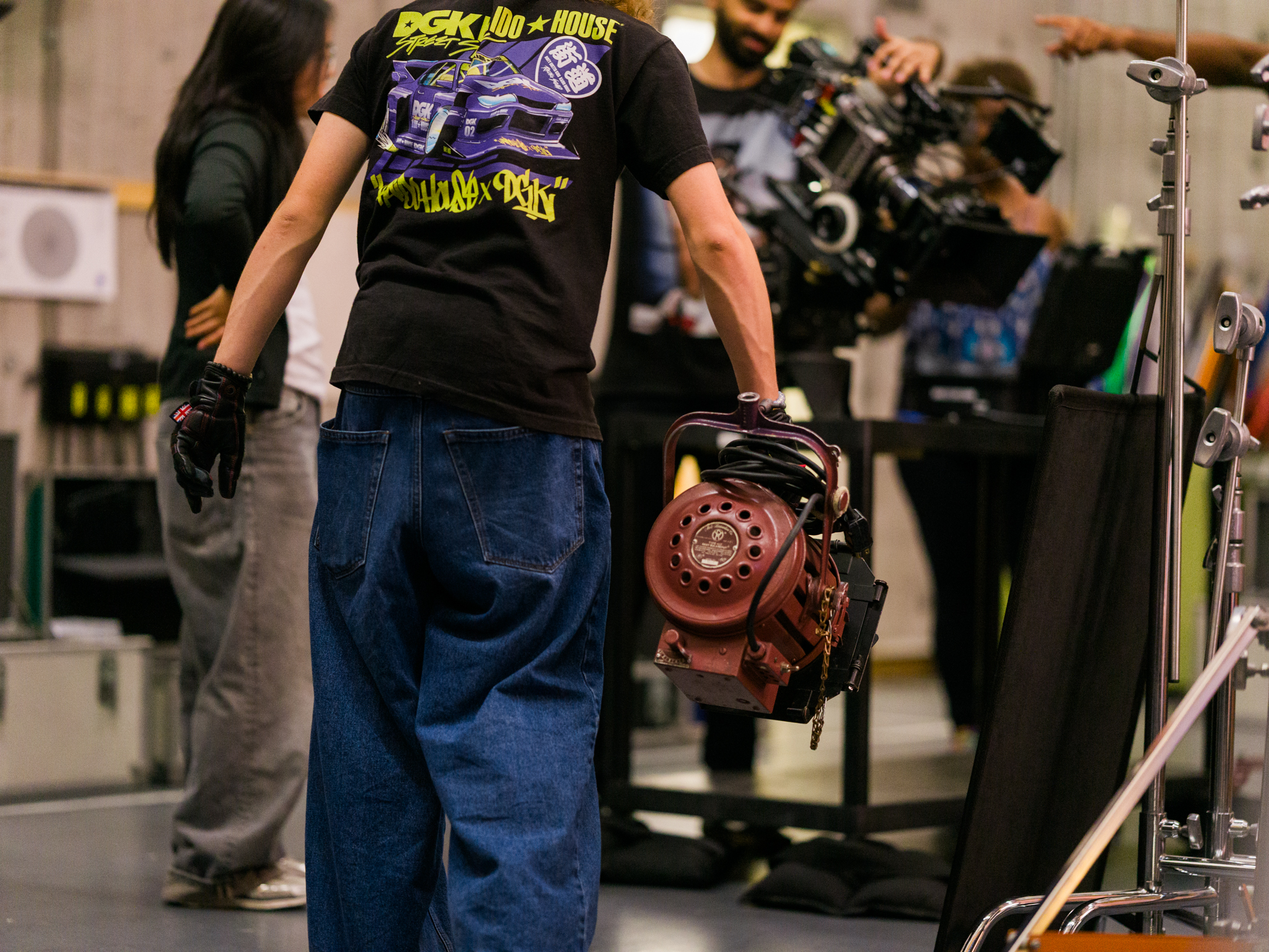
Community College to UCLA, USC or CSUN: The Film Transfer Path
How to start film school at LACC and transfer to a Cal State, a UC like UCLA, or a private university, including the Film, Television and Electronic Media AS-T.